PayPal
 Stripe
 QuickBooks
 Zoom
Zoom Google Meet
 Slack
Slack Zapier
 Mailchimp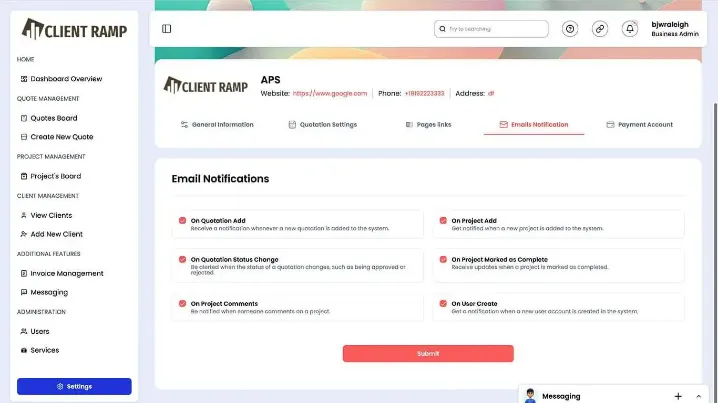
Ever feel like managing clients is taking more time than actually delivering results? Emails scattered everywhere, follow-ups slipping through the cracks, and your team constantly switching between tools—yet things still feel disorganized.
So how do you manage clients efficiently without adding more chaos? The answer isn’t working harder—it’s using a CRM strategically, combined with employee timesheets to gain full control over time and effort.
Why Client Management Becomes Inefficient
As your client base grows:
- Communication increases
- Tasks multiply
- Expectations rise
Without a structured system:
- Information gets lost
- Work gets duplicated
- Time is wasted
Efficiency isn’t about doing more—it’s about doing the right things with clarity and consistency.
Step 1: Centralize All Client Information
Imagine trying to manage clients across emails, spreadsheets, and chat tools—it’s inefficient and risky.
A CRM solves this by:
- Storing all client data in one place
- Tracking communication history
- Keeping project details accessible
With ClientRamp:
- Your team always has context
- Collaboration improves
- Nothing falls through the cracks
Step 2: Track Time Spent on Every Client
Here’s a critical question:
Do you know how much time each client actually consumes?
Without employee timesheets:
- Workloads become unclear
- Profitability is hard to measure
- Inefficiencies go unnoticed
With timesheet tracking:
- Time is logged per client and task
- Effort is visible in real time
- You identify time-draining activities
This insight is essential for efficient management.
Step 3: Standardize Your Client Workflows
Handling every client differently creates confusion.
A CRM allows you to:
- Create repeatable workflows
- Define clear processes
- Ensure consistent service delivery
Timesheets help you:
- Measure how long each process takes
- Identify inefficiencies
- Continuously improve workflows
Consistency leads to efficiency.
Step 4: Automate Routine Tasks
Manual work slows everything down.
ClientRamp enables automation for:
- Follow-ups and reminders
- Task assignments
- Notifications
- Time tracking prompts
Automation ensures:
- Tasks are completed on time
- Nothing is forgotten
- Your team focuses on high-value work
Step 5: Prioritize High-Value Clients
Not all clients contribute equally to your business.
CRM insights combined with timesheet data help you:
- Identify clients with the highest return on time
- Focus on profitable relationships
- Reduce effort on low-value accounts
This keeps your team aligned with business goals.
Step 6: Improve Team Collaboration
Poor communication leads to inefficiency.
A CRM provides:
- Shared dashboards
- Real-time updates
- Clear task ownership
Timesheets add:
- Visibility into who is working on what
- Transparency in workload distribution
This reduces confusion and improves coordination.
Step 7: Prevent Over-Servicing
Trying to exceed client expectations often leads to over-servicing—and lost profitability.
With CRM + timesheets:
- You track actual effort vs agreed scope
- You detect scope creep early
- You maintain control over project boundaries
This ensures efficiency without compromising client satisfaction.
Step 8: Use Data to Continuously Improve
Efficiency isn’t a one-time fix—it’s an ongoing process.
CRM analytics and timesheets provide:
- Client performance insights
- Team productivity data
- Project efficiency metrics
With this information, you can:
- Refine workflows
- Optimize resource allocation
- Improve overall performance
Why ClientRamp Makes Client Management Efficient
ClientRamp combines everything you need:
- CRM tools for managing clients and communication
- Employee timesheets for tracking time and effort
- Automation features for reducing manual work
- Real-time insights for smarter decisions
This unified system ensures:
- Better organization
- Higher productivity
- Improved profitability
The Bigger Insight: Efficiency Comes From Visibility
Think about paid campaigns—would you expect strong results without tracking performance? That would lead to wasted budget and missed opportunities.
The same applies to client management.
Without CRM and time tracking:
- Work becomes disorganized
- Effort is wasted
- Growth is limited
With the right system:
- Every client interaction is tracked
- Every hour is accounted for
- Every process is optimized
Final Thoughts
Managing clients efficiently isn’t about doing more—it’s about doing things smarter, faster, and with full visibility.
By using a CRM with integrated employee timesheets like ClientRamp:
- You streamline operations
- You improve team productivity
- You maintain profitability as you grow
And most importantly, you turn client management into a structured, scalable system.
So the real question is: are you managing your clients efficiently—or just keeping up with them?